

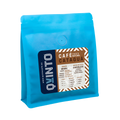
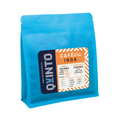
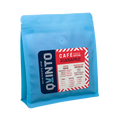
Buy single-origin coffee:
know where every cup comes from
Single-origin coffees with the producer, altitude and process in plain view. We roast them in small batches in Tres Cantos and ship them whole bean or ground for your brewer.
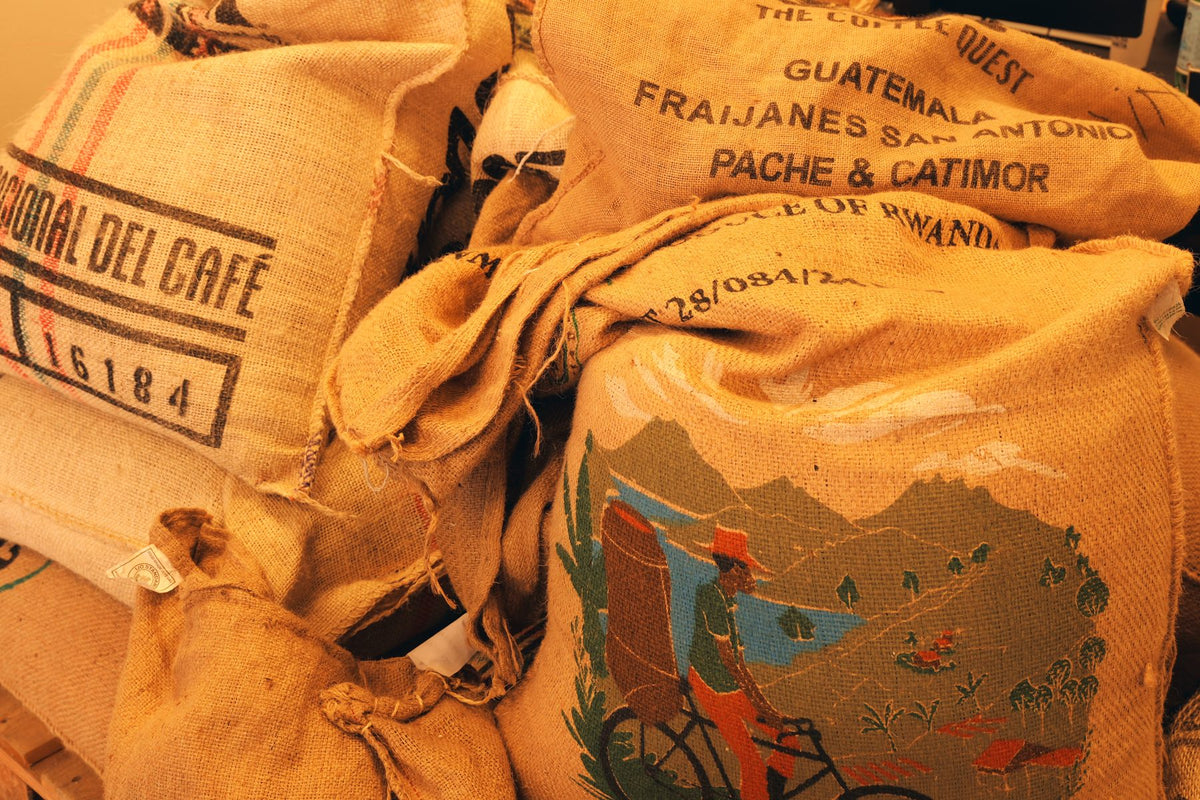
Single-origin coffees available
A lot lasts as long as the harvest does. When it runs out, another comes in.
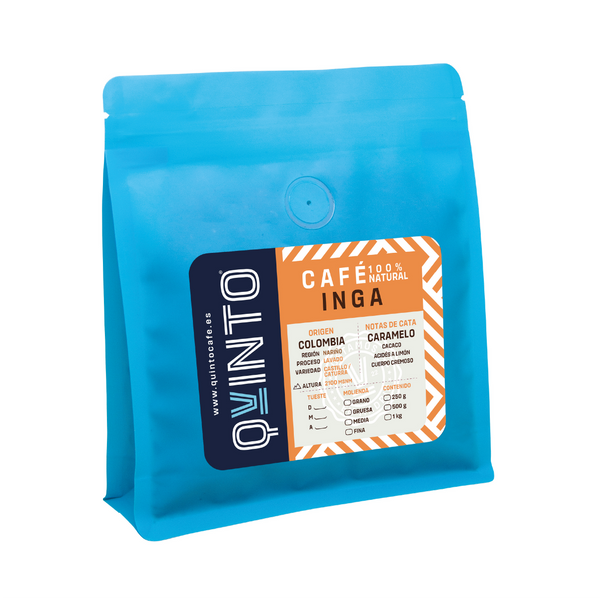
Inga
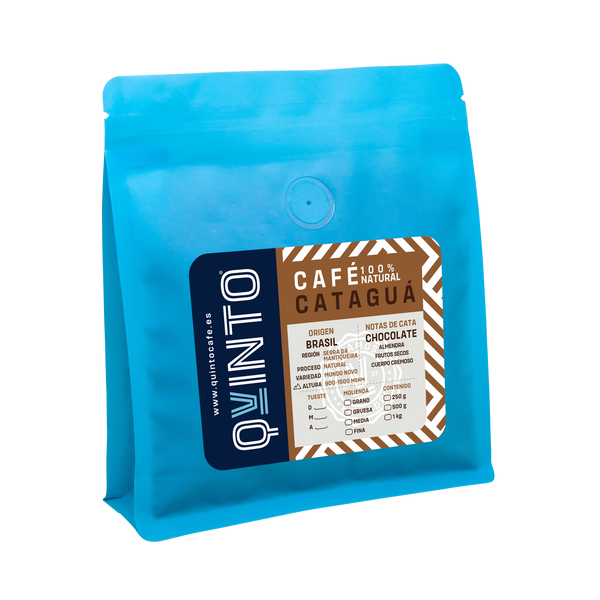
Cataguá
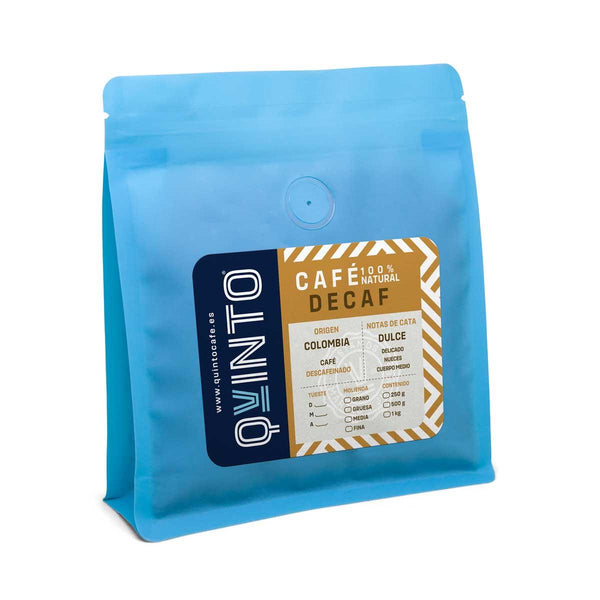
Decaf
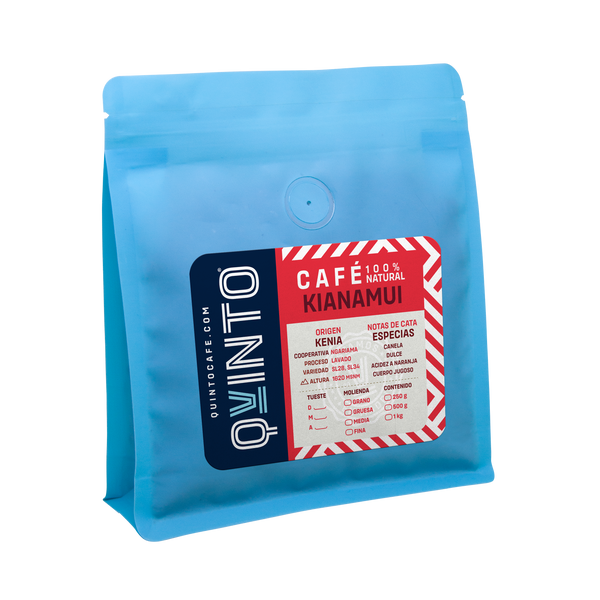
Kianamui
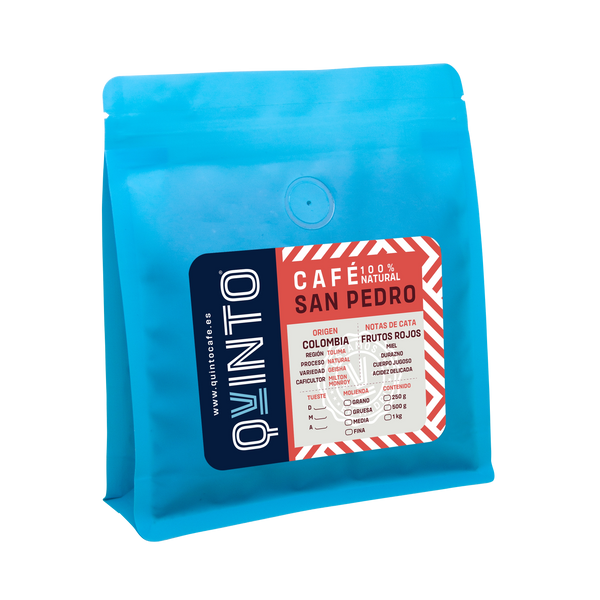
San Pedro
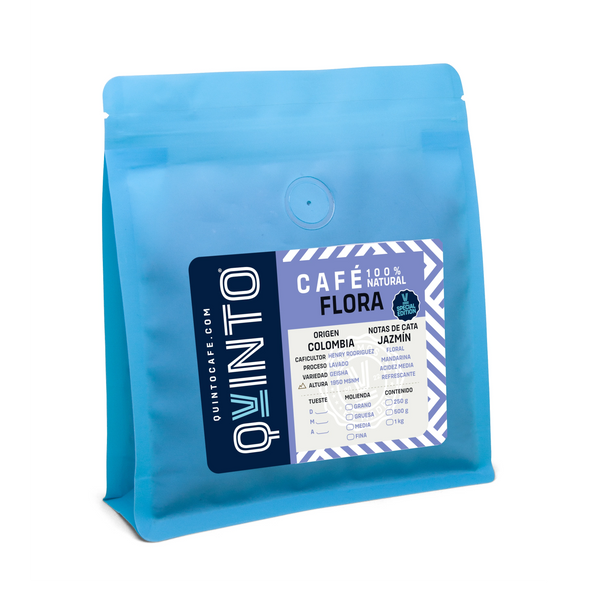
Flora
Which origin suits your method?
All our coffees work with any method. This is where, in our view, each one shines brightest.
| Coffee | Tasting notes | Espresso | Moka | V60 / Chemex | French press | AeroPress | Cold brew | With milk |
|---|---|---|---|---|---|---|---|---|
| Inga | Caramelo · Cacao | Where it shines | Where it shines | Works very well | Where it shines | Works very well | Works very well | Where it shines |
| Cataguá | Chocolate · Almendra | Where it shines | Where it shines | Works very well | Where it shines | Works very well | Where it shines | Where it shines |
| Decaf | Dulce · Delicado | Where it shines | Where it shines | Works very well | Where it shines | Works very well | Works very well | Where it shines |
| Kianamui | Especias · Canela | Works very well | Works very well | Where it shines | Works very well | Where it shines | Works very well | Works very well |
| San Pedro | Frutos rojos · Miel | Works very well | Works very well | Where it shines | Works very well | Where it shines | Where it shines | Works very well |
| Flora | Jazmín · Floral | Works very well | Works very well | Where it shines | Works very well | Where it shines | Where it shines | Works very well |
Single-origin coffee: knowing where every bean comes from
A single-origin coffee comes from one country and one region, without mixing with other origins. It can come from a farm, a community or a cooperative of small producers. Unlike a commercial blend, it has traceability: you know where it comes from, at what altitude it grows and how it is processed.
That transparency matters for two reasons: you know what you pay for and who it reaches, and each lot keeps its own profile — acidity, sweetness, body and tasting notes — that changes from one origin to another and even from one harvest to the next.
On every bag you'll see origin, region, process, variety, altitude and tasting notes. On the online product page we also tell you what kind of producer it comes from.
Where it grows
At higher altitude the cherry ripens more slowly and concentrates sugars and acidity. Soil and climate do the rest.
Which plant it is
Caturra, Mundo Novo, SL28, Geisha… Each variety brings its own aromas, from chocolate to jasmine.
What happens after harvest
How the bean is separated from the fruit and dried. It is what changes the flavour in the cup the most.
How we roast it
Roasting reveals or hides everything above. We aim for the origin to show.
Finca, comunidad o cooperativa
Un solo origen no siempre significa una sola finca. En cada café te decimos de qué tipo de productor viene, porque cambia lo que hay detrás de la taza.
FincaEn tostador
Un productor y su familia en una parcela concreta. La trazabilidad llega hasta la persona que cultiva y procesa el café. Lotes pequeños y perfiles muy personales.
San Pedro, FloraComunidadEn tostador
Familias de un mismo territorio que cultivan y venden su café en común, como las comunidades indígenas de Nariño. El origen es un pueblo y su tierra, no una finca.
IngaCooperativaEn tostador
Muchos pequeños productores de una misma zona que llevan su cosecha a una estación común. Se separan lotes por calidad, así que puede ser café de especialidad trazable hasta la cooperativa y la región.
Cataguá, KianamuiLavado, honey, natural y anaeróbico
El proceso decide cuánto del fruto (pulpa y mucílago) se queda pegado al grano mientras se seca. Cuanto más fruto, más dulzor y cuerpo; cuanto menos, más limpieza y acidez.
Se retira la pulpa y el mucílago con agua antes de secar.
Taza limpia, acidez brillante, notas cítricas y florales.
En tostador: Inga, Kianamui, FloraSe retira la pulpa pero se deja parte del mucílago —la “miel”— al secar. Según cuánto: white, yellow, red o black honey.
El punto medio: dulzor de miel y buen cuerpo con acidez equilibrada. Muy típico de Costa Rica.
Sin lote ahora mismoLa cereza entera se seca al sol, con todo el fruto.
Dulce y afrutado, con más cuerpo y menos acidez.
En tostador: Cataguá, San PedroFermentación controlada sin oxígeno antes de secar.
Intenso y muy aromático: frutos rojos, vino, miel.
Sin lote ahora mismoCómo sabe cada origen
Cada país tiene rasgos generales, pero el productor y el proceso pesan más. Buscamos lotes que se salgan de lo esperado.
ColombiaEn tostador
Dulzor de caramelo y panela, acidez cítrica media, muy versátil. De Nariño y Tolima salen perfiles florales y frutales sorprendentes.
BrasilEn tostador
Chocolate, frutos secos, baja acidez y cuerpo cremoso. La base perfecta para espresso y café con leche.
KeniaEn tostador
Acidez brillante, cítricos, grosella y especias, cuerpo jugoso. Para quien busca carácter en filtro.
Etiopía
La cuna del café: florales, bergamota, frutos del bosque y té. Ligero y aromático.
Costa Rica y Guatemala
Equilibrio, miel, avellana y fruta de hueso. Aquí nacen muchos de los mejores honey.
Ruanda y Burundi
Miel, uva pasa, fruta roja y té negro. Dulces y delicados.
medio omni
Tostamos todos nuestros orígenes con un tueste medio omni: el mismo café sirve para espresso y para filtro. Equilibra dulzor y acidez sin tapar las notas del origen, y no tienes que elegir un tueste distinto según tu cafetera.
How we select and roast
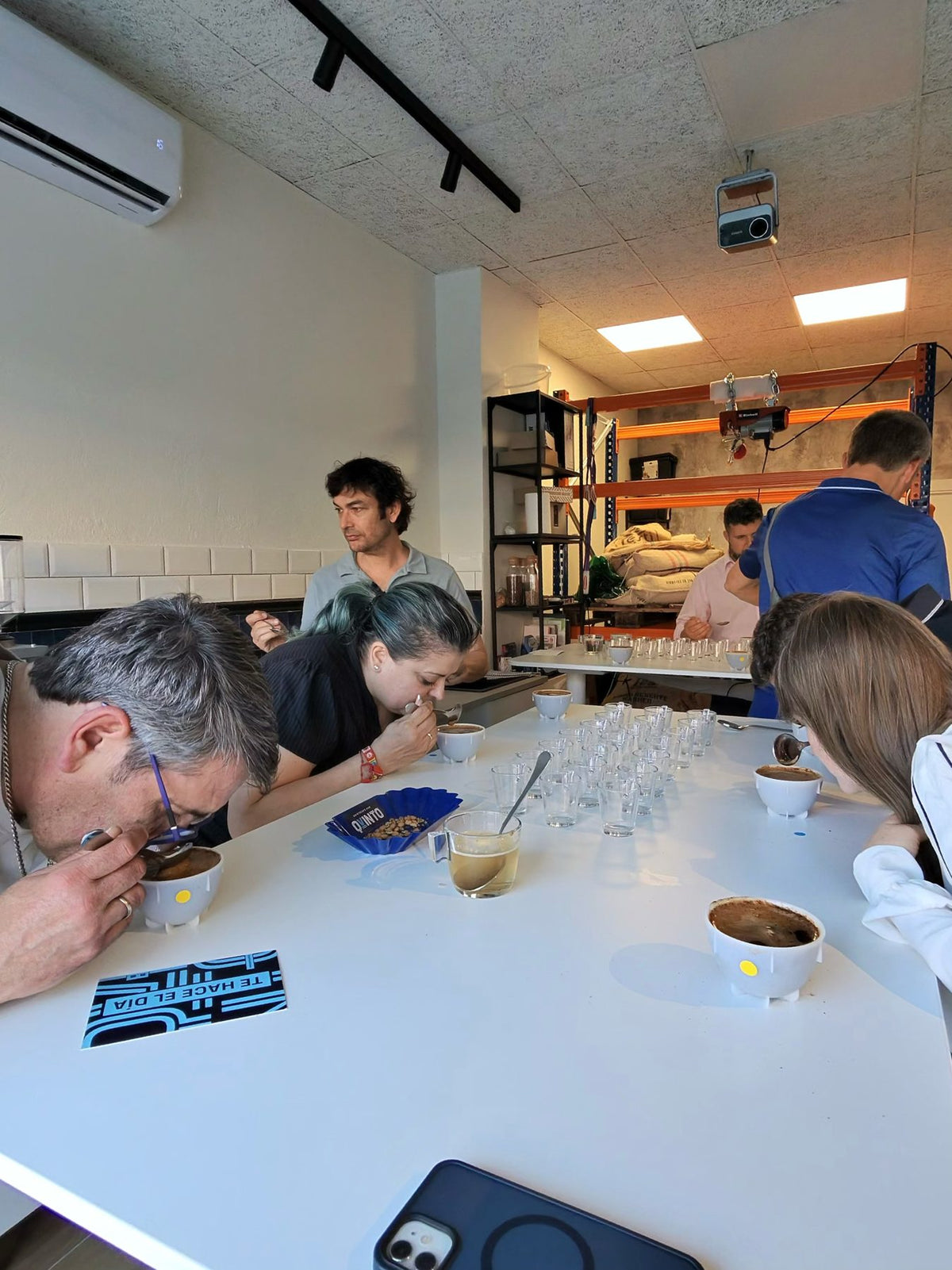
We cup
We taste every harvest in a cupping before buying it. Only what surprises us gets in.
We roast
In small batches at Quinto Lab, Tres Cantos, with a profile designed for each origin.
We pack
Bag with a one-way valve and the roast date printed on it.
We ship
Whole bean or ground for your method, in 24–48 h to mainland Spain.
Never run out of coffee
Get a different single-origin coffee every month, whole bean or ground. It costs less than buying the same bags separately and you don't have to remember to order. No commitment.
Frequently asked questions
What is the difference between a single-origin coffee and a blend?
Single-origin coffee comes from one country and region — from a farm, a community or a cooperative — and keeps its own profile. A blend mixes several origins to achieve a constant flavour, usually at the cost of nuance.
Can a cooperative coffee be specialty?
Yes. Quality doesn't depend on the size of the operation, but on how the coffee is grown, harvested and processed. Many cooperatives separate lots by quality and the best exceed the 80 points that define specialty coffee. On each product page we say whether the coffee comes from a farm, a community or a cooperative.
What is the honey process?
A midpoint between washed and natural: the pulp is removed but part of the mucilage is left on the bean while it dries. It gives more sweetness and body than a washed coffee and more cleanliness than a natural.
Should I buy whole bean or ground?
Whole bean keeps the aroma better: grind it just before brewing. If you don't have a grinder, choose your method when you buy and we'll grind it to size: espresso, moka, filter, French press or cold brew.
How long does it keep?
The roast date is printed on the bag. Sealed, with its valve, it keeps well for 6 to 9 months. Once opened, close it tightly and store it away from light and heat, preferably outside the fridge.
Which single-origin coffee should I choose for espresso?
If you like it sweet and full-bodied, a chocolate or caramel profile, like our Brazil or Colombia coffees. If you want a different, fruitier or floral espresso, try a Geisha. With our omni roast they all work.
How long does shipping take and how much does it cost?
We ship in 24–48 h to mainland Spain. Shipping is free on orders from 35 €.